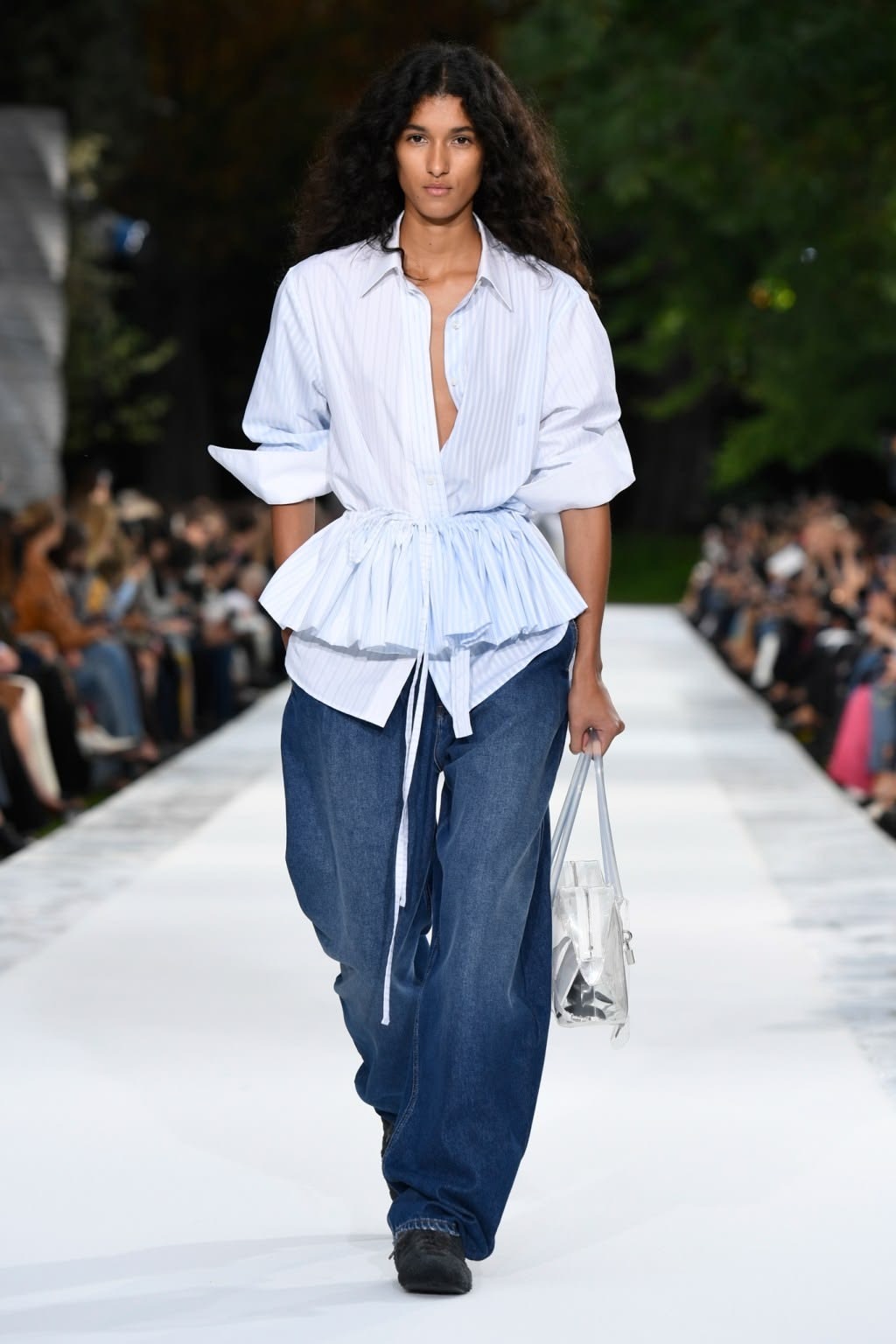
The fashion world stops twice every year to focus on the 4 powerhouse cities: New York, London, Milan, and Paris. These make up the 4 fashion weeks that run over a month, during which designers reveal their long-awaited newest collections. These shows set the tone for the fashion trends yet to come. Industry professionals like fashion buyers, influencers, celebrities, and editors meet to watch what will inevitably shape fashion as we know it, from luxury brands to everyday clothing lines at retail stores.
This season depicted a different message that we see becoming increasingly true: style is becoming more personal. Rather than following strict traditional rules, designers explored creativity and individuality in their collections. Runways from New York to Paris showcased a future in fashion where comfort, craftsmanship, as well as innovation are balanced.
New York Fashion Week
The Art of Everyday Dressing
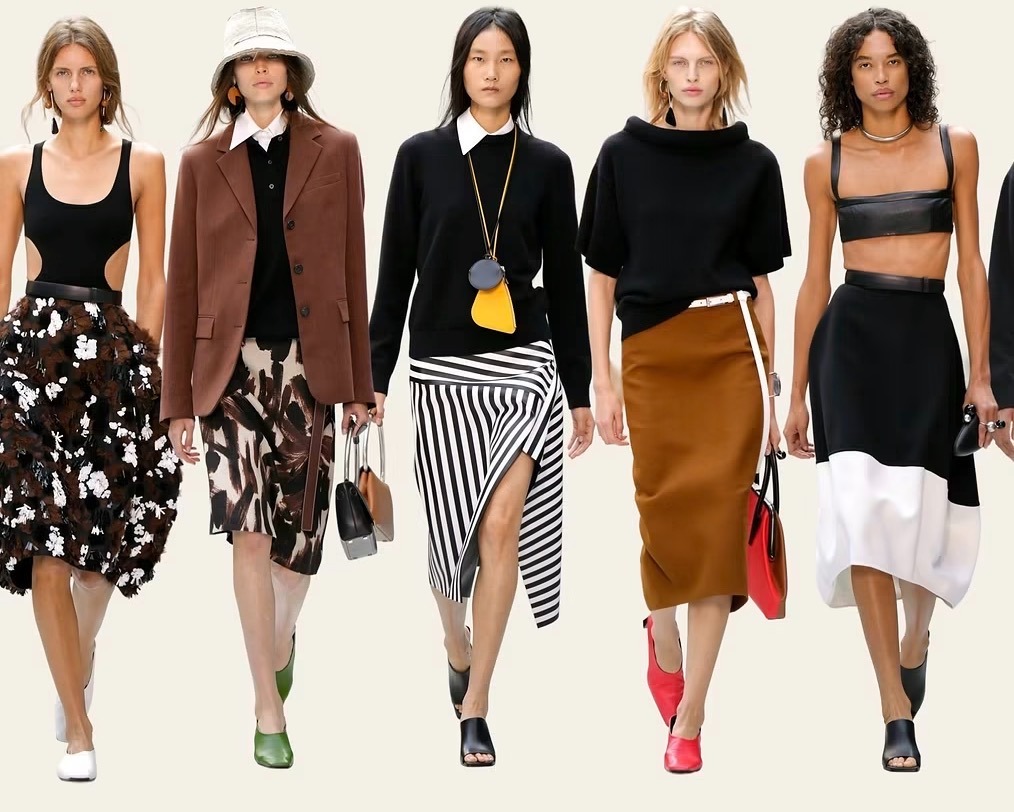
Fashion week in New York began the season with a focus on practicality and adaptability. New York lived up to its reputation of producing ready-to-wear garments straight off the runway, bringing clothes tailored for real people with real lives.
A prominent trend was relaxed tailoring featuring oversized blazers, wide-leg trousers, and loose-fitting suiting throughout many of the collections showcased. Designers adopted comfort without sacrificing elegance, depicting a shift reflecting consumers’ growing desire for pieces that are both effortless and refined.
Shades of beige, charcoal, and navy created a sophisticated base, with neutral colors dominating the runway. On the other hand, vibrant pops of color provided contrast to these neutral color palettes. This is best showcased in Michael Kors SS27, which had a notable similarity to its spring 2013 collection. Designers depicted how simple is more elegant than over-accessorizing. Specifically, 46 looks featured minimalist themes, while 24 incorporated sculptural elements.
Athletic-wear inspired influences made an appearance as well. Sportswear details were integrated into luxury pieces, demonstrating that comfort and fashion no longer exist in separate categories. Whether through streamlined jackets, elevated sneakers, or relaxed knitwear, New York emphasized a more practical approach to modern dressing by including sportswear details in luxury pieces. The Tommy Hilfiger SS27 collection further demonstrated this shift, with cotton polos and rugby shirts accounting for 30% of the collection, followed by 22% tailoring and 18% knitwear. This further highlighted how fashion is becoming increasingly integrated into everyday life, helping consumers find a balance between comfort and personal style.
London Fashion Week
Creativity Without Boundaries
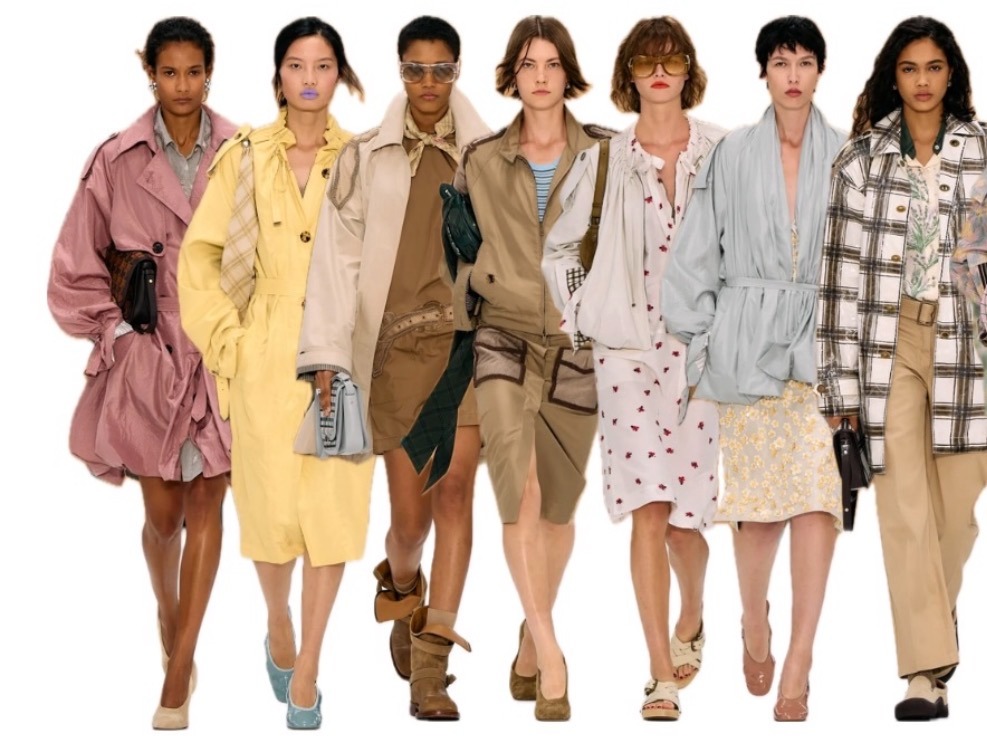
The spotlight then moved to London, known for its experimentation and innovation within the fashion industry. London embraces bold ideas and artistic expression; this season’s collections featured extensive combinations of colors, textures, and patterns. Designers created unexpected looks that challenged conventional fashion standards by mixing traditional tailoring with irregular fabrics.
Designers continued to blur traditional distinctions between menswear and womenswear. Collections offered pieces that could be worn by anyone, showcasing flowing silhouettes, oversized garments, and versatile styling. This reflected a growing movement toward inclusivity within the fashion industry. Specifically, shirts and trench coats with floral patterns were featured in bold yellows and greens within Burberry SS27.
Many designers looked to past decades for inspiration, reviving retro aesthetics with modern interpretations. Vintage influences played a significant role as elements from the 1970s, 80s, and 90s appeared throughout collections, demonstrating fashion’s continuing infatuation with nostalgia.
Accessories became powerful statements as oversized jewelry, bold handbags, dramatic footwear, and eye-catching headpieces transformed simple outfits into memorable moments. These looks furthered the idea that accessories can be just as important as the clothing itself.
Overall, London emphasized the importance of creativity and self-expression, encouraging fashion lovers to embrace their personal style while taking risks.
Milan Fashion Week
The Return to Craftsmanship
During the third week, audiences were brought to Milan, which is the heart of Italian luxury. It continued the focus on exceptional craftsmanship, sophistication, and refined elegance.
Quiet luxury was a defining theme this season. Designers highlighted premium fabrics, tailoring, and understated beauty, which reflected a growing appreciation for quality over status symbols.
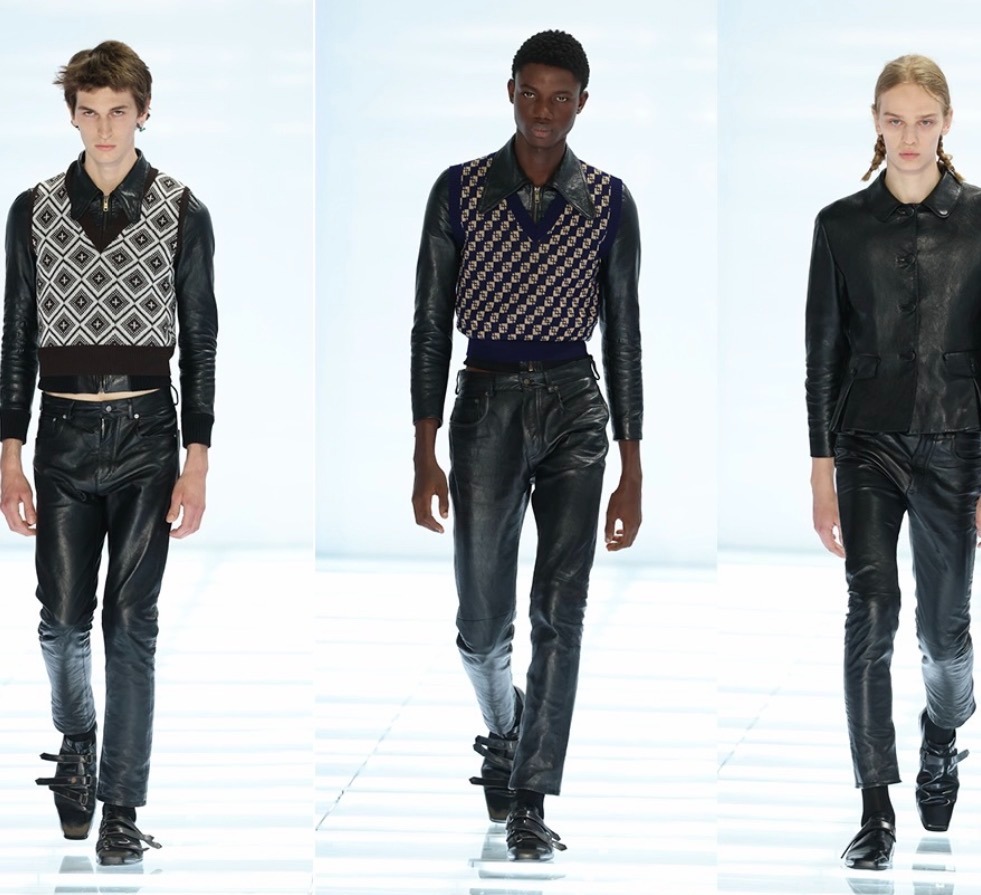
Materials like leather, suede, cashmere, and velvet stood out on Milan’s runways. This is best seen in Prada’s SS27 collection, where a new era of leather appeared in jackets and low-rise skinny jeans. These textures added sophistication and depth to garments while showcasing the technical skill of luxury fashion houses. These materials created a sense of elegance without appearing overstated.
Monochromatic dressing was a prominent trend. A focus on one color created sleek, modern appearances that felt both timeless and contemporary. Shades of camel, brown, cream, gray, and black reinforced Milan’s commitment to sophistication.
Outerwear played a significant role as well. Structured coats, trench coats, and oversized jackets demonstrated how a single statement piece can elevate an entire wardrobe. Designers focused on creating investment pieces that will last seasons.
Milan’s collections highlighted a growing movement away from fast fashion. The emphasis on longevity, quality, and expert craftsmanship suggested a future in which consumers prioritize fewer but better pieces.
Paris Fashion Week
Where Tradition Meets Innovation
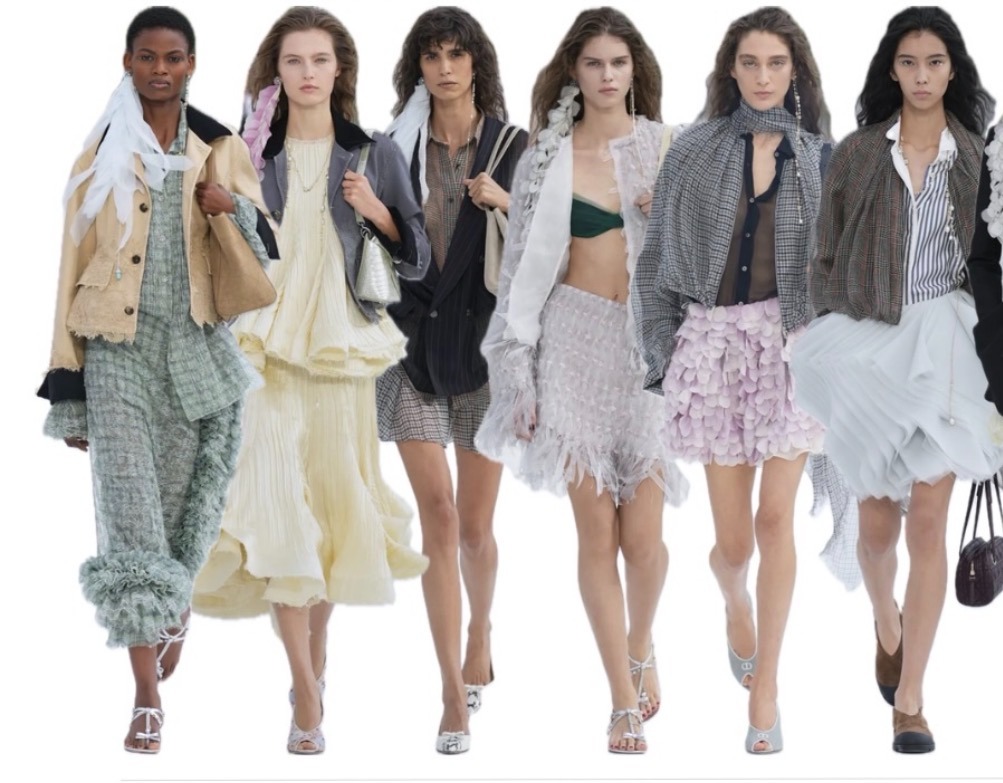
Fashion month came to an end in Paris, widely regarded as the most prestigious destination within the industry. Paris Fashion Week delivered a blend of tradition with innovation. Sculptural dresses, exaggerated proportions, and architectural shapes challenged conventional ideas of fashion while demonstrating remarkable craftsmanship.
Romantic influences also emerged through delicate fabrics, flowing drapery, ruffles, lace, and soft tailoring. Dior’s SS27 featured 32% full tulle and chiffon, 8% fringe and feather, as well as 25% ruffles and draped fabrics. This created an atmosphere of elegance and femininity, with these details balancing the more dramatic elements of the garments. This resulted in looks that felt both powerful and graceful.
The intersection between fashion and technology was explored. Futuristic materials, innovative construction techniques, and modern interpretations of classic designs suggested new possibilities for the future of fashion. Many collections successfully combined heritage craftsmanship with contemporary ideas.
Paris reminded audiences that fashion remains a form of storytelling, with collections going beyond garments to express emotions, identities, and artistic visions. Each runway is a presentation of a carefully crafted narrative, reinforcing Paris’s reputation as the creative center of the fashion world.
The Future of Fashion
Looking across all four fashion capitals, several clear trends emerged that are likely to influence wardrobes worldwide. The first is relaxed tailoring, as structured clothing is becoming softer and more comfortable. Oversized blazers, loose trousers, and effortless suiting will continue gaining popularity. Second is quiet luxury, as consumers are valuing quality craftsmanship, premium materials, and timeless designs more. Individualism is emerging as a trend as personal style, creative layering, and unique combinations are becoming more important than following trends exactly. Statement outerwear is becoming the centerpiece of many outfits, proving that outerwear can have just as much impact as what’s underneath. Modern romance is rising through flowing fabrics, draping, lace, and feminine details as they return in fresh, contemporary ways, adding softness and elegance to everyday fashion. Sustainability and longevity will become more popular as designers are creating pieces meant to last because consumers are increasingly investing in versatile garments that remain stylish over multiple seasons.
The latest edition of Fashion Month has revealed an intriguing blend of comfort, creativity, and craftsmanship. New York focused on practicality, London celebrated self-expression, Milan celebrated timeless luxury, and Paris showcased artistic vision. Although different, all four cities collectively suggested a future where fashion is more about expressing individuality rather than chasing trends.
As these runway influences make their way to retail stores, consumers can expect to see more relaxed silhouettes, elevated basics, quality materials, and opportunities for personal styling. Fashion points toward a future where showcasing who you are through individualism within your wardrobe will be more desired.


Leave a Reply